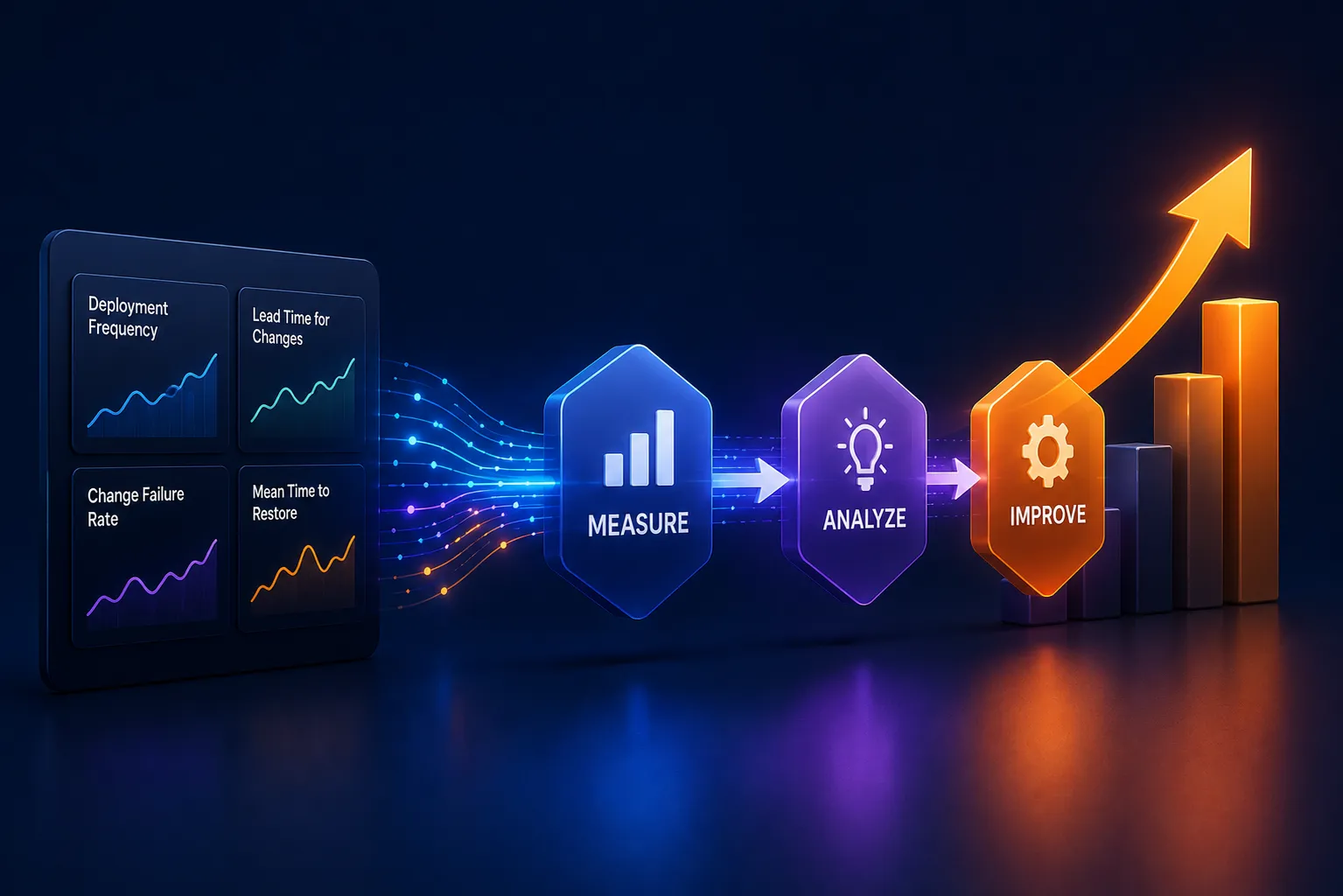
DORA Metrics in Practice: From Measurement to Actual Improvement
Most teams track DORA metrics and stop there. Here's how to interpret what the numbers are telling you, where the leverage is, and what to change when your scores don't move.
Practical perspectives on enterprise software development, infrastructure automation, and cloud engineering from our project experience.

Most teams track DORA metrics and stop there. Here's how to interpret what the numbers are telling you, where the leverage is, and what to change when your scores don't move.

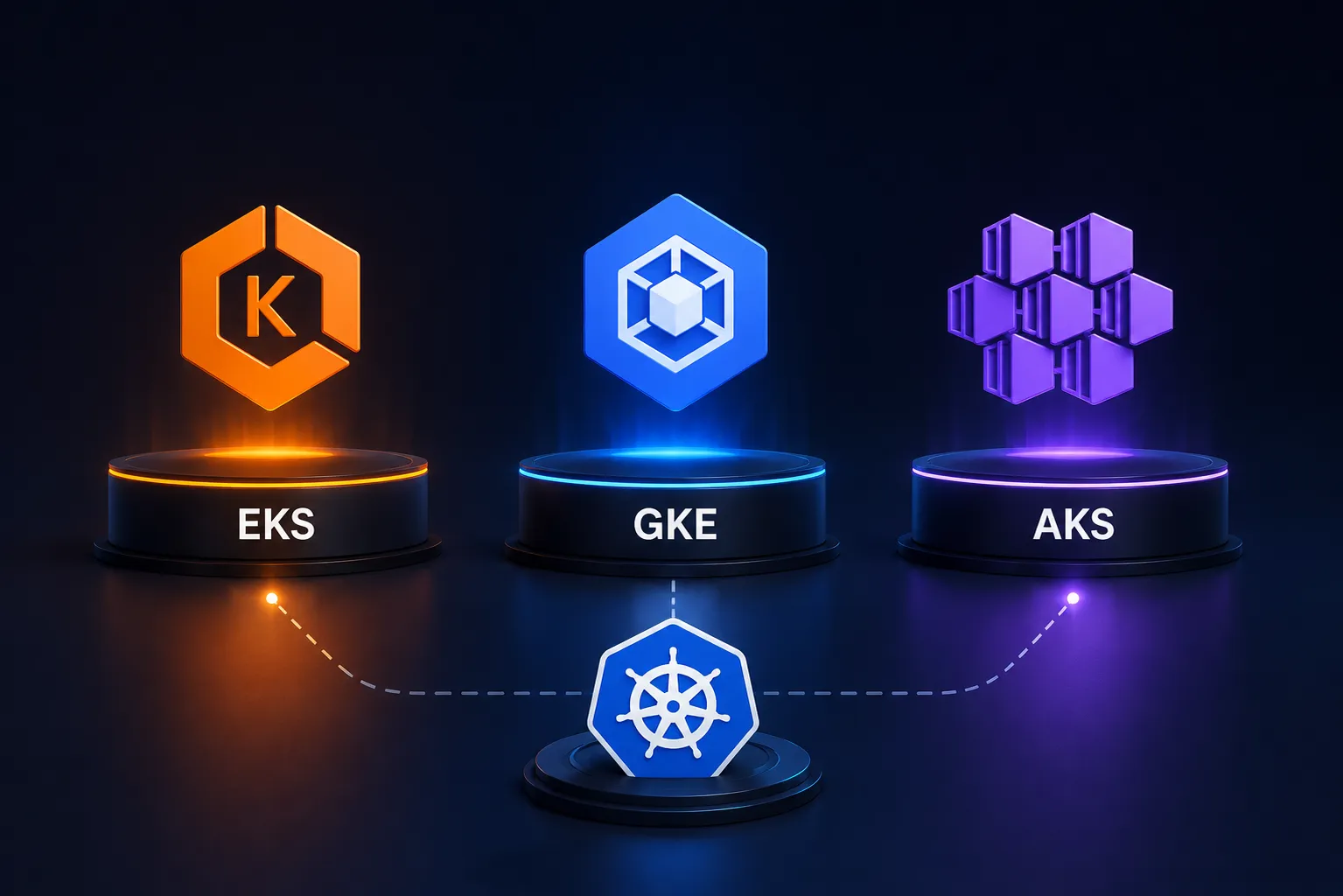
GKE is the most mature. EKS gives you the most AWS integration. AKS is the most operator-friendly. A direct comparison of managed Kubernetes across AWS, GCP, and Azure for teams that need to choose.

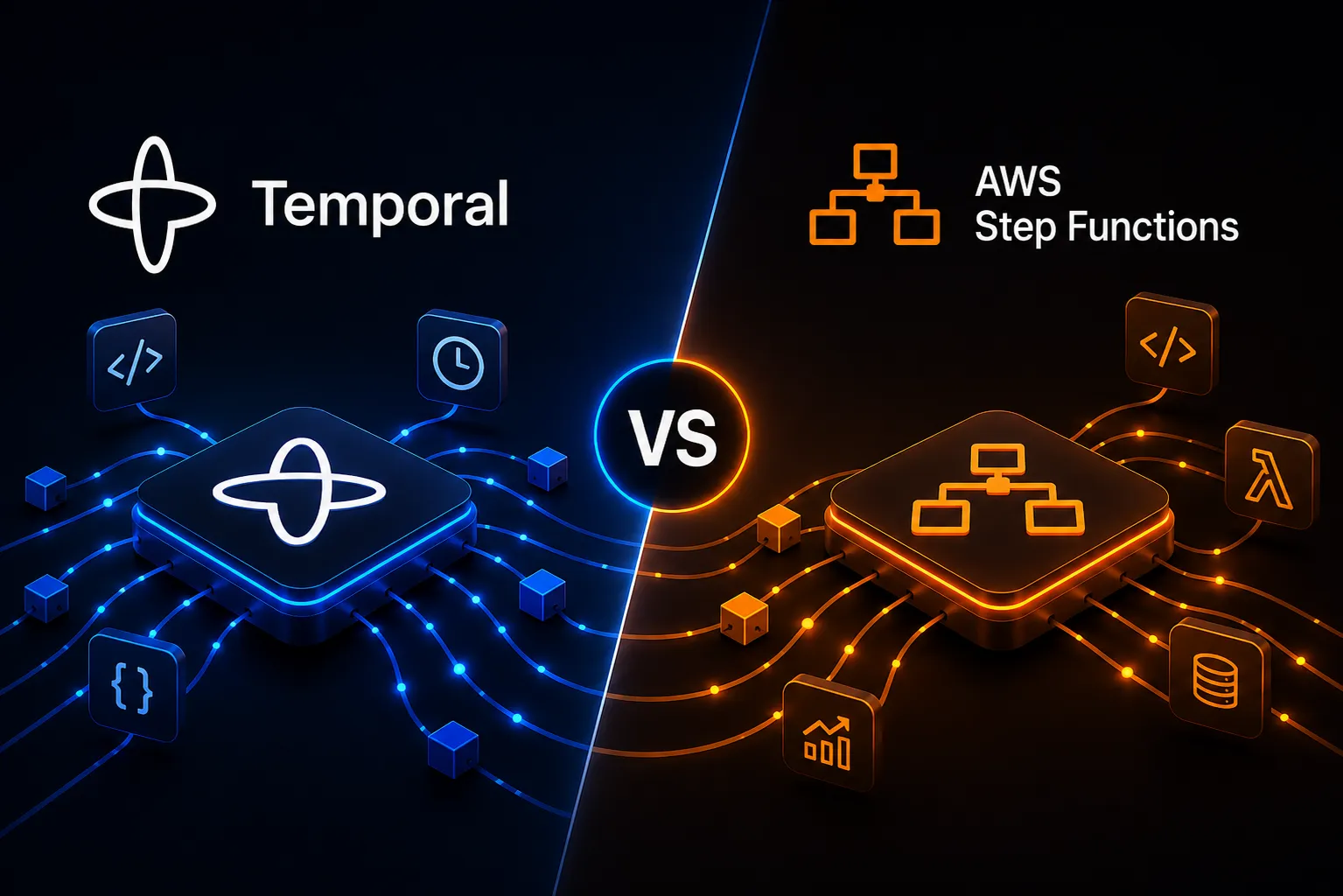
Step Functions locks you into AWS and charges per state transition. Temporal runs anywhere and handles failures differently. A direct comparison for teams choosing a workflow orchestration platform.

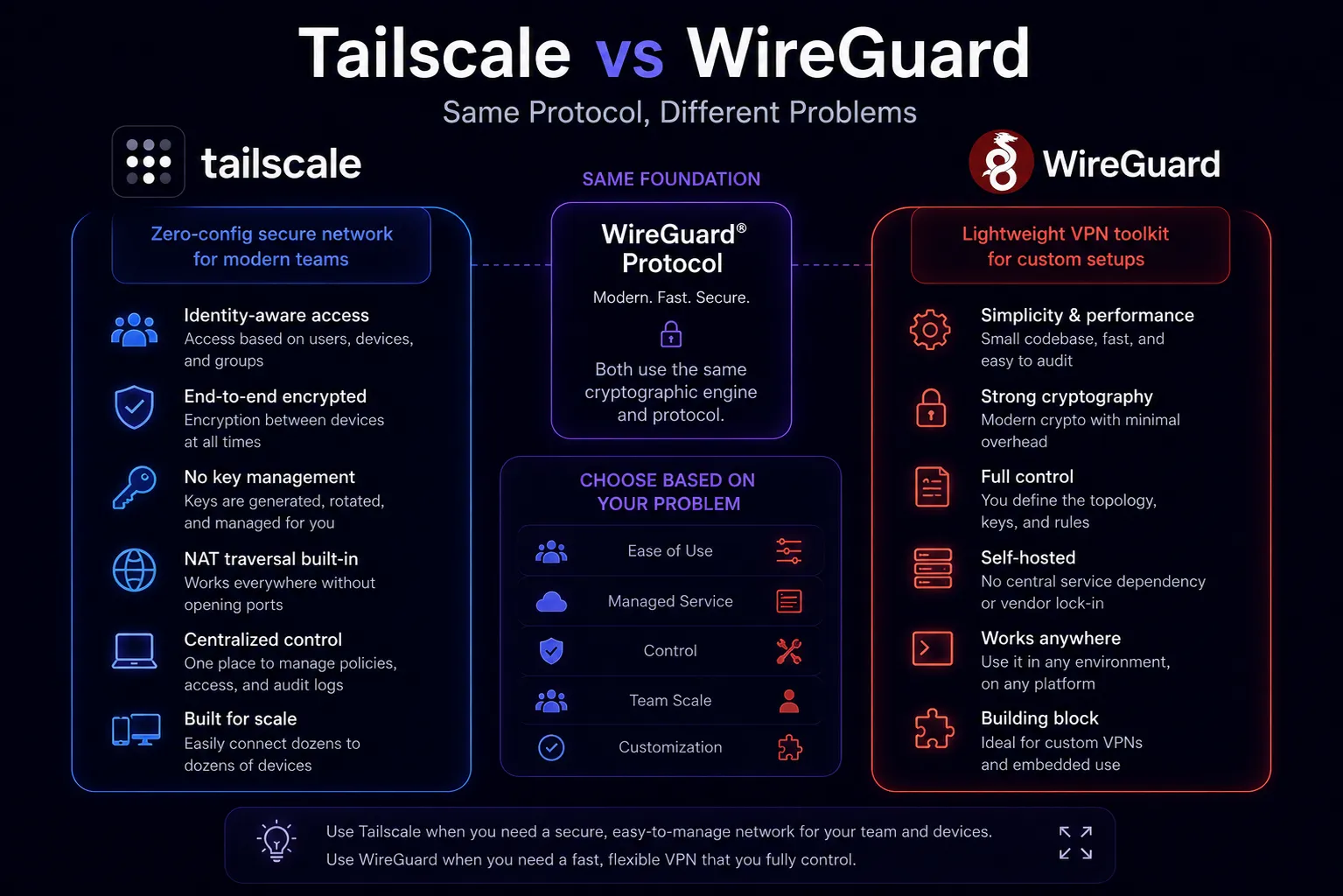
Tailscale is built on WireGuard—but that's like saying a car is built on an engine. WireGuard is a protocol you configure yourself; Tailscale is a mesh VPN that handles the hard parts for you.

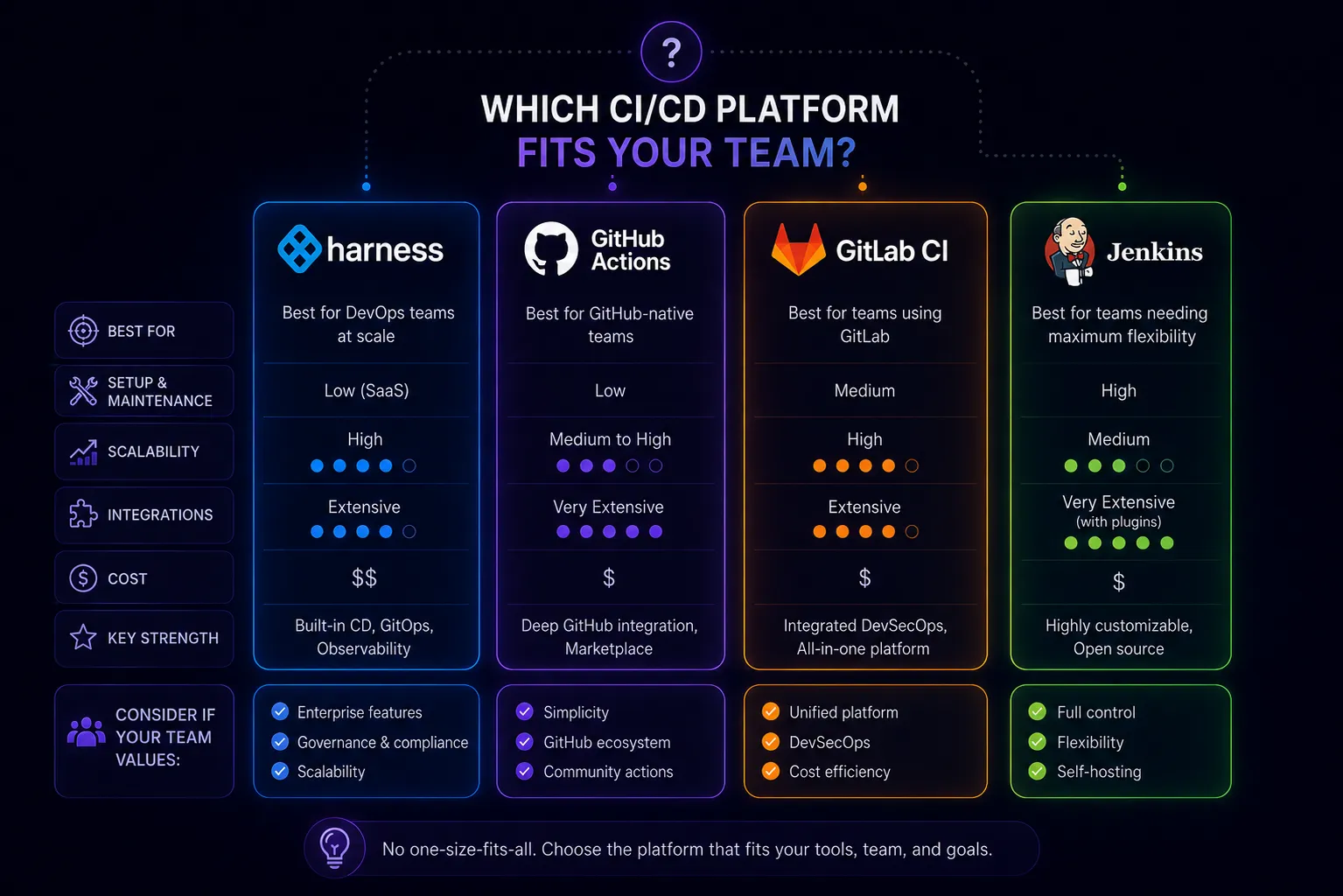
Jenkins is free until it isn't. GitHub Actions is convenient until you hit the cost wall. Harness solves deployment—not builds. A direct comparison for teams choosing a CI/CD platform.

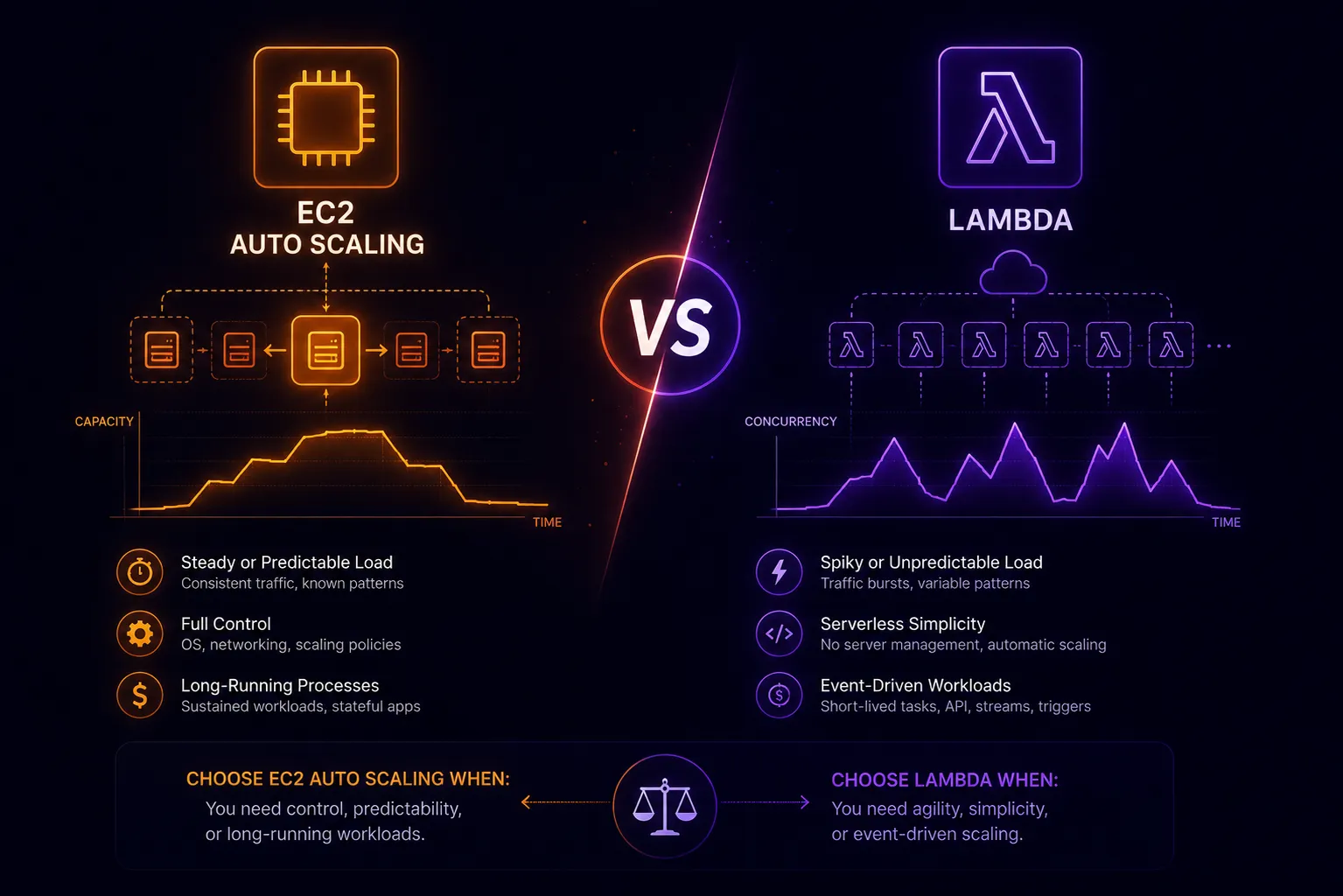
Both scale automatically—but in completely different ways. EC2 Auto Scaling handles sustained load; Lambda handles spikes. Here's the cost and latency reality for each.

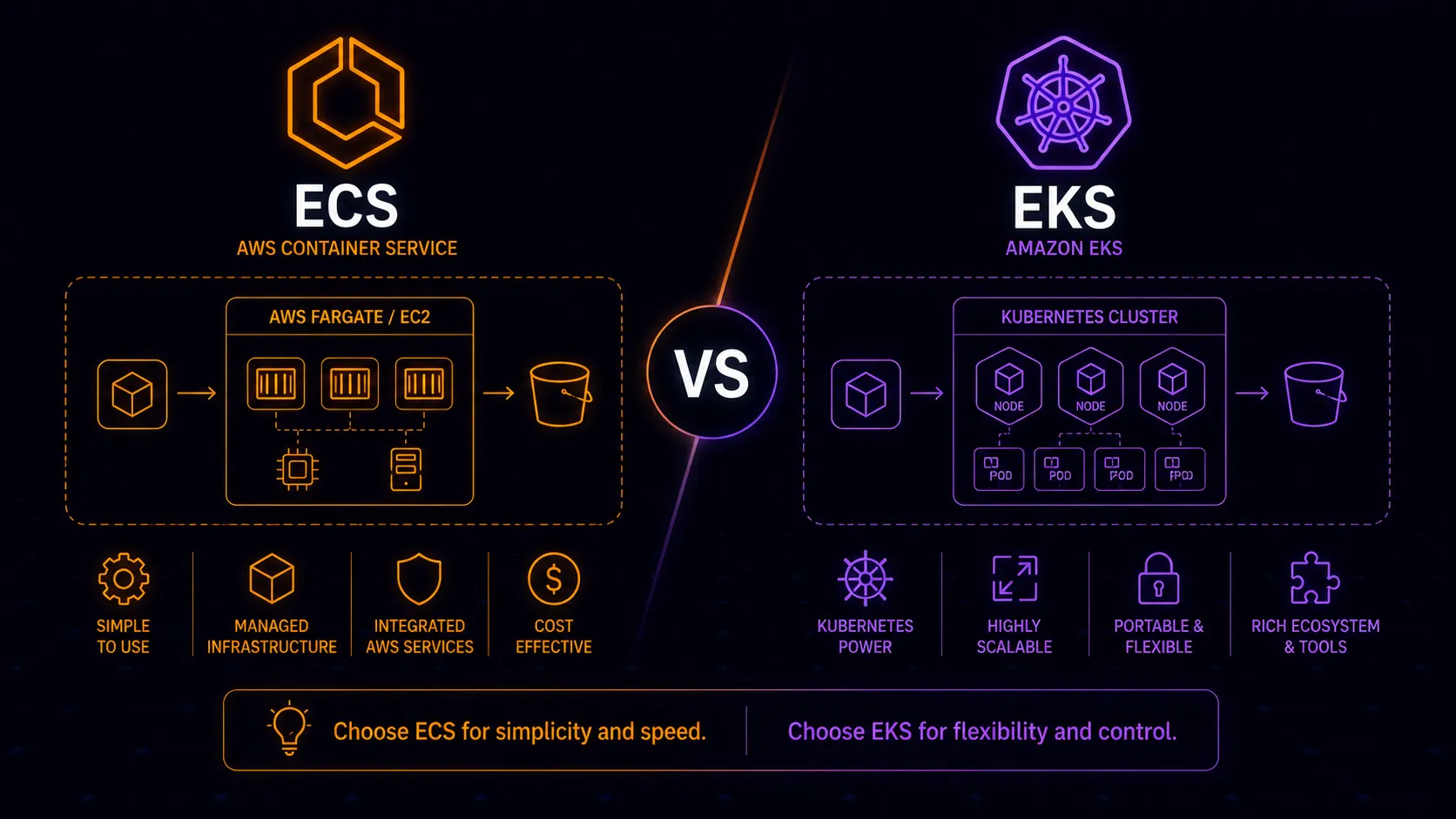
ECS is simpler and AWS-native. EKS gives you Kubernetes portability and ecosystem. Here's how to choose the right container orchestration on AWS.

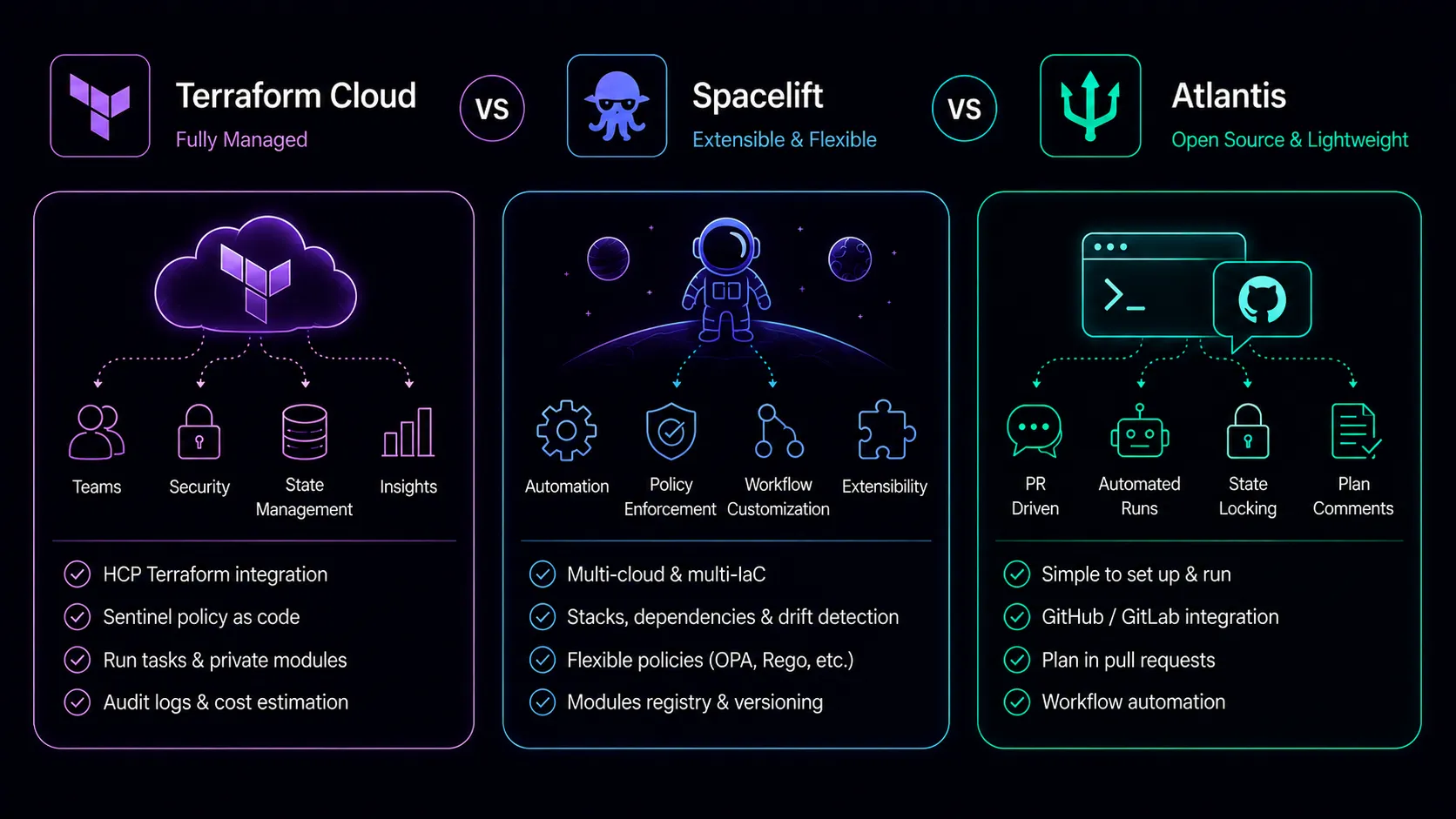
Terraform Cloud is HashiCorp's platform. Spacelift adds policy and flexibility. Atlantis keeps it in your PRs. Here's how to choose your Terraform workflow.

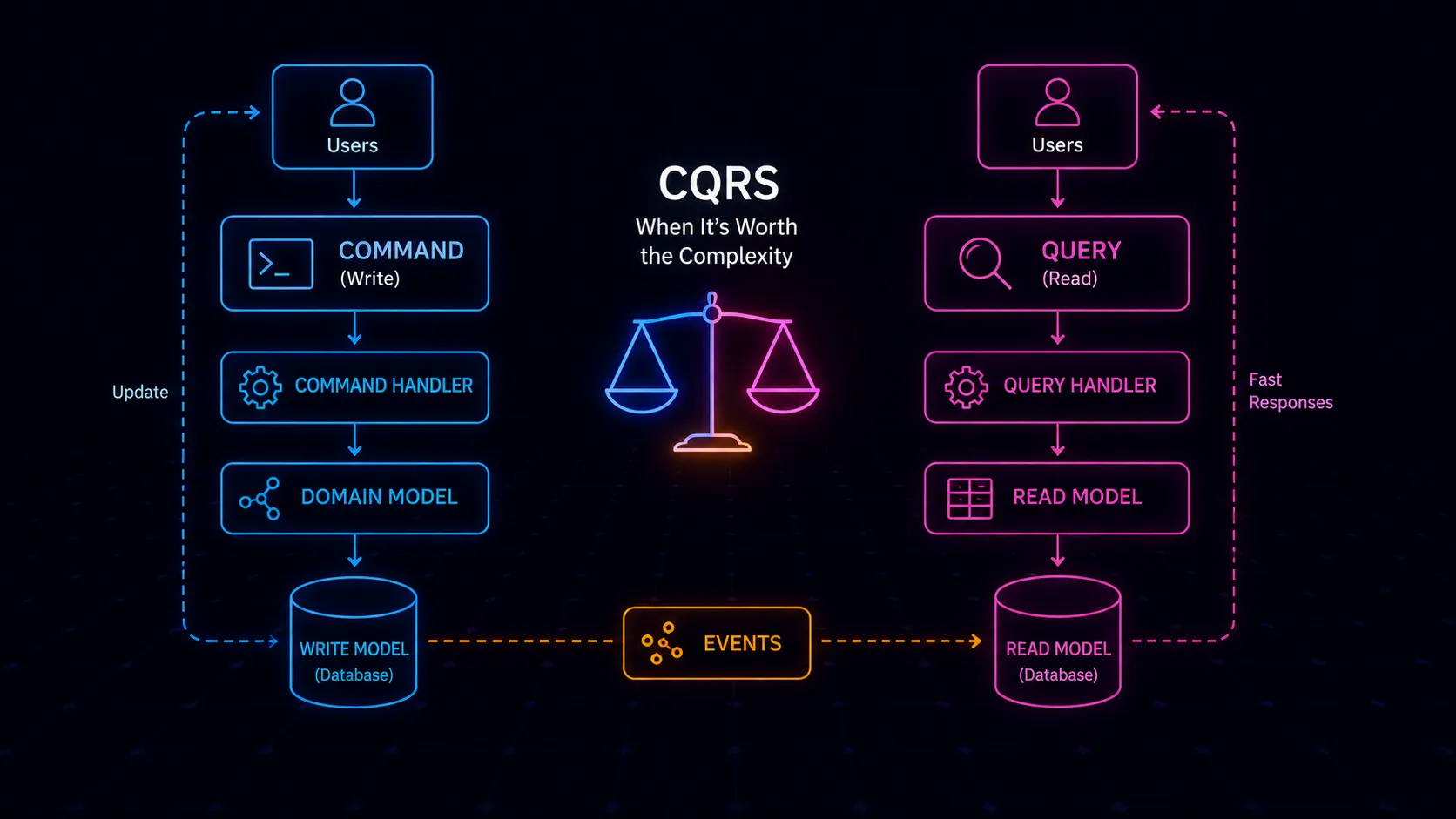
CQRS separates reads from writes. It solves real problems at scale but adds significant complexity. Here's when the trade-off is actually worth it.
Let's discuss how we can help you build reliable, scalable systems.