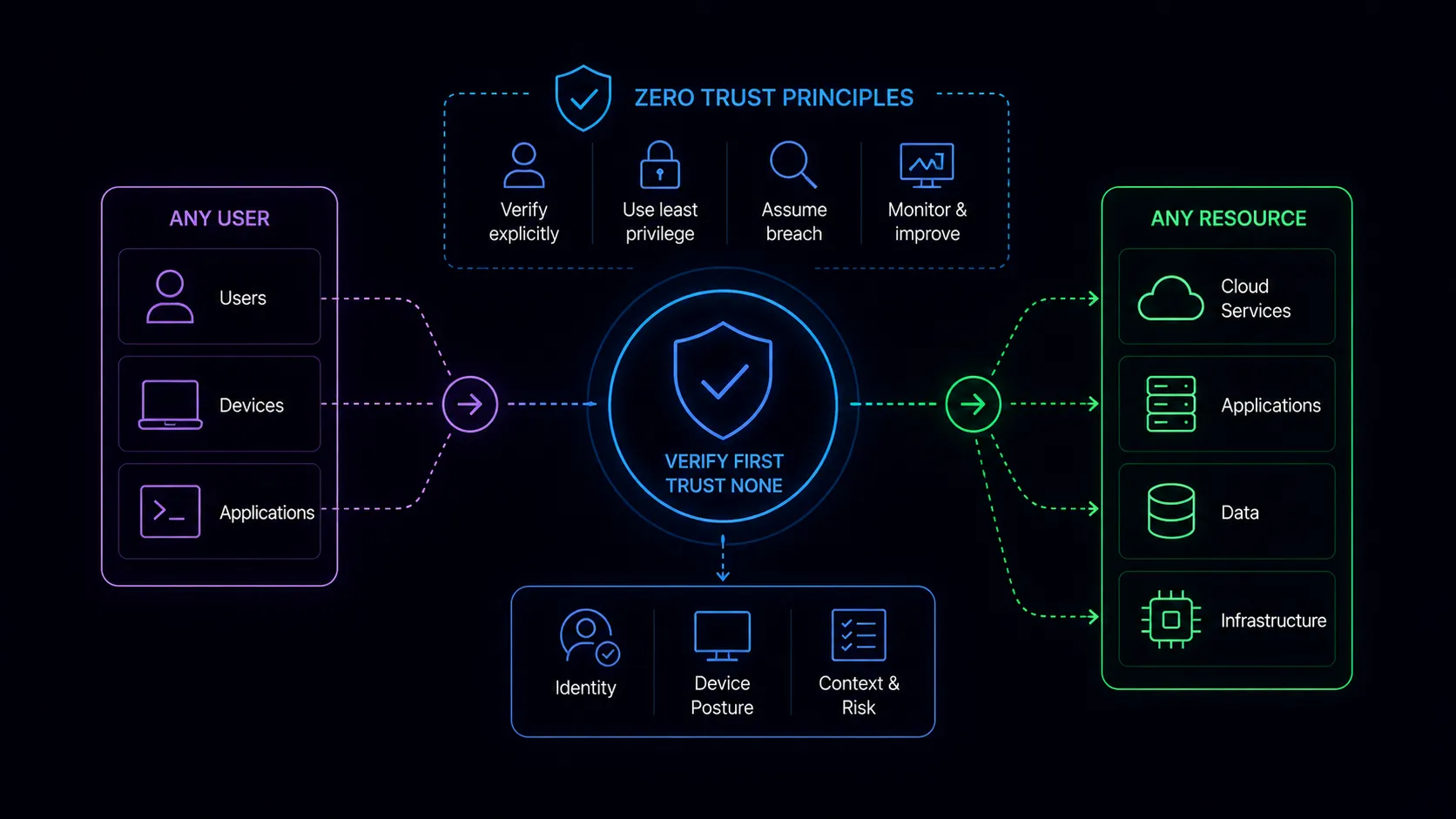
Zero Trust Architecture: What It Actually Means
Cutting through the zero trust marketing hype. What zero trust principles mean in practice, how to implement them incrementally, and avoiding the trap of buying your way to security.
Practical perspectives on enterprise software development, infrastructure automation, and cloud engineering from our project experience.

Cutting through the zero trust marketing hype. What zero trust principles mean in practice, how to implement them incrementally, and avoiding the trap of buying your way to security.

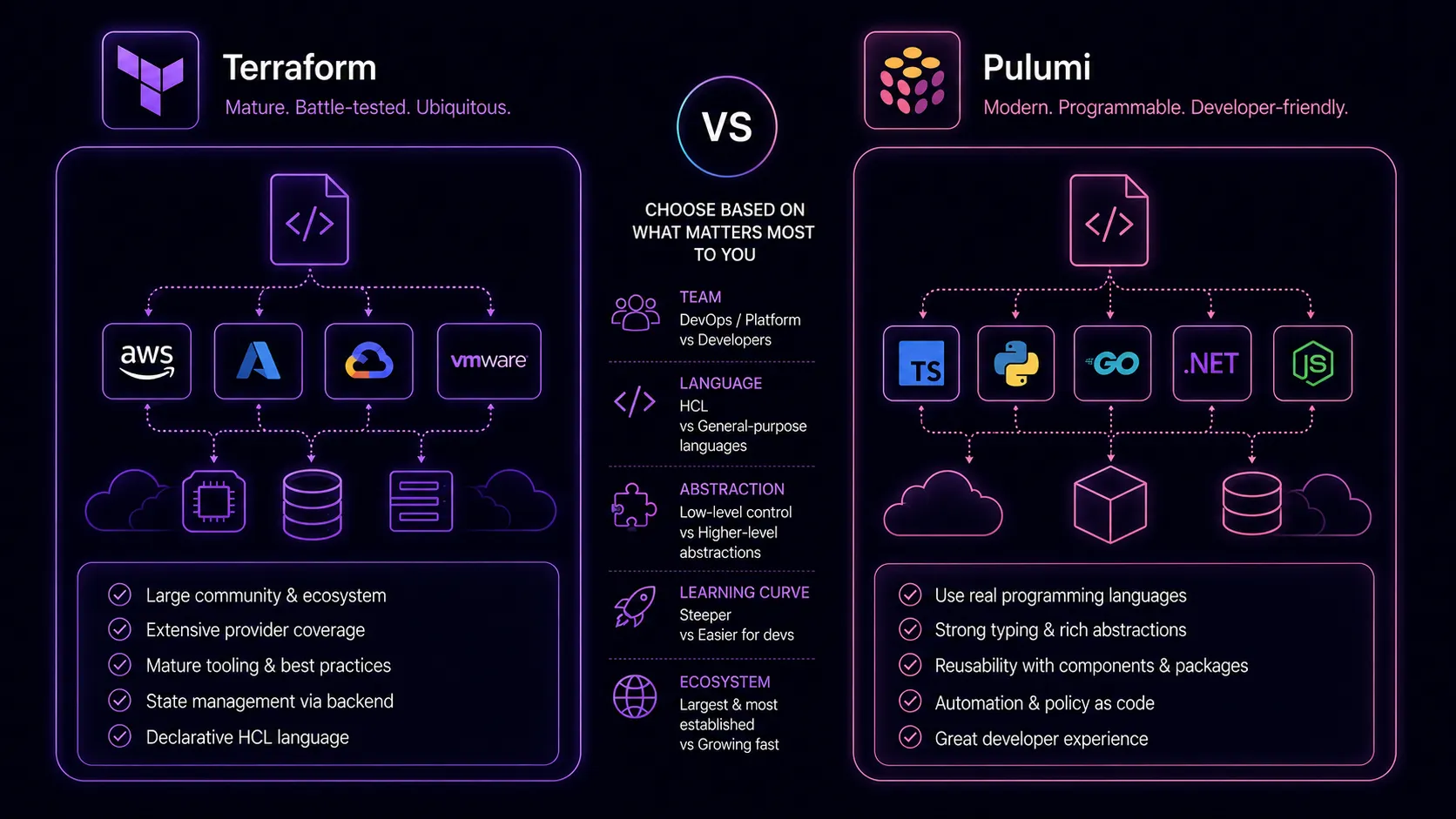
A practical comparison of Terraform and Pulumi for infrastructure as code. When HCL makes sense, when real programming languages help, and what the migration looks like.

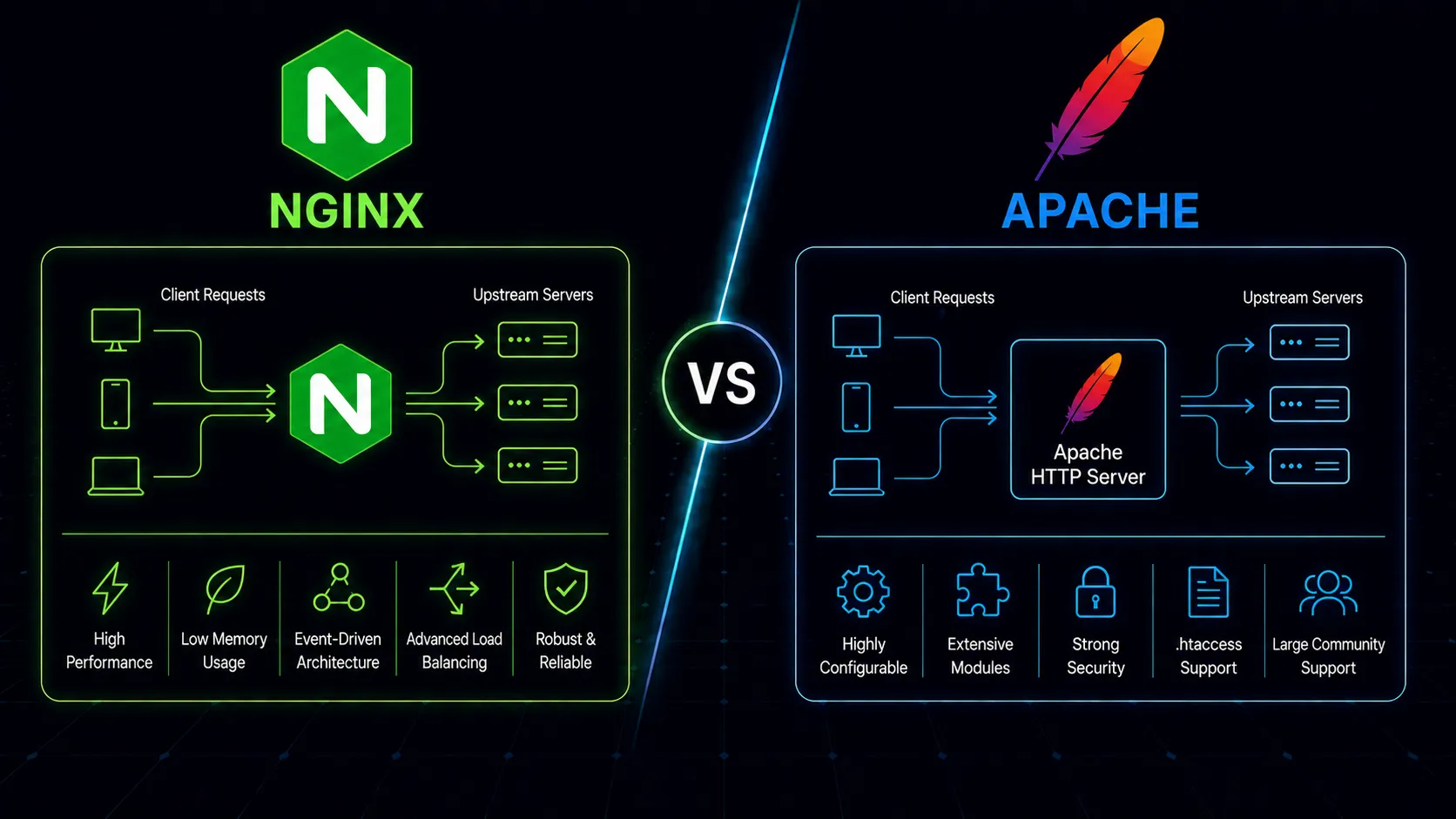
Nginx handles 10k concurrent connections on a single thread. Apache gives you per-request flexibility. Here's which one actually fits your stackāand why the answer isn't Nginx by default.

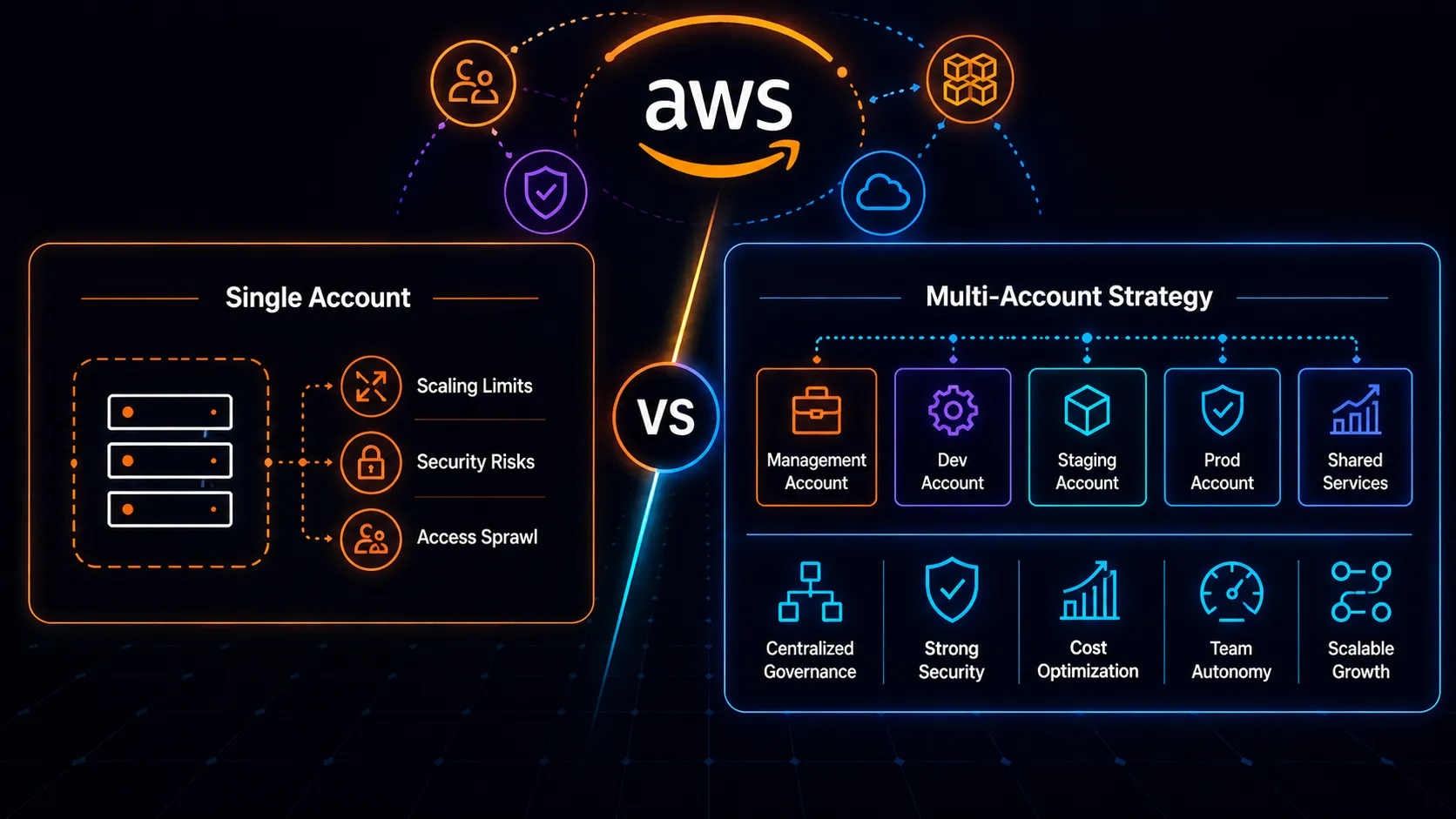
How to structure AWS accounts as your organization grows. When single accounts break down, how to design an account hierarchy, and avoiding the common pitfalls.

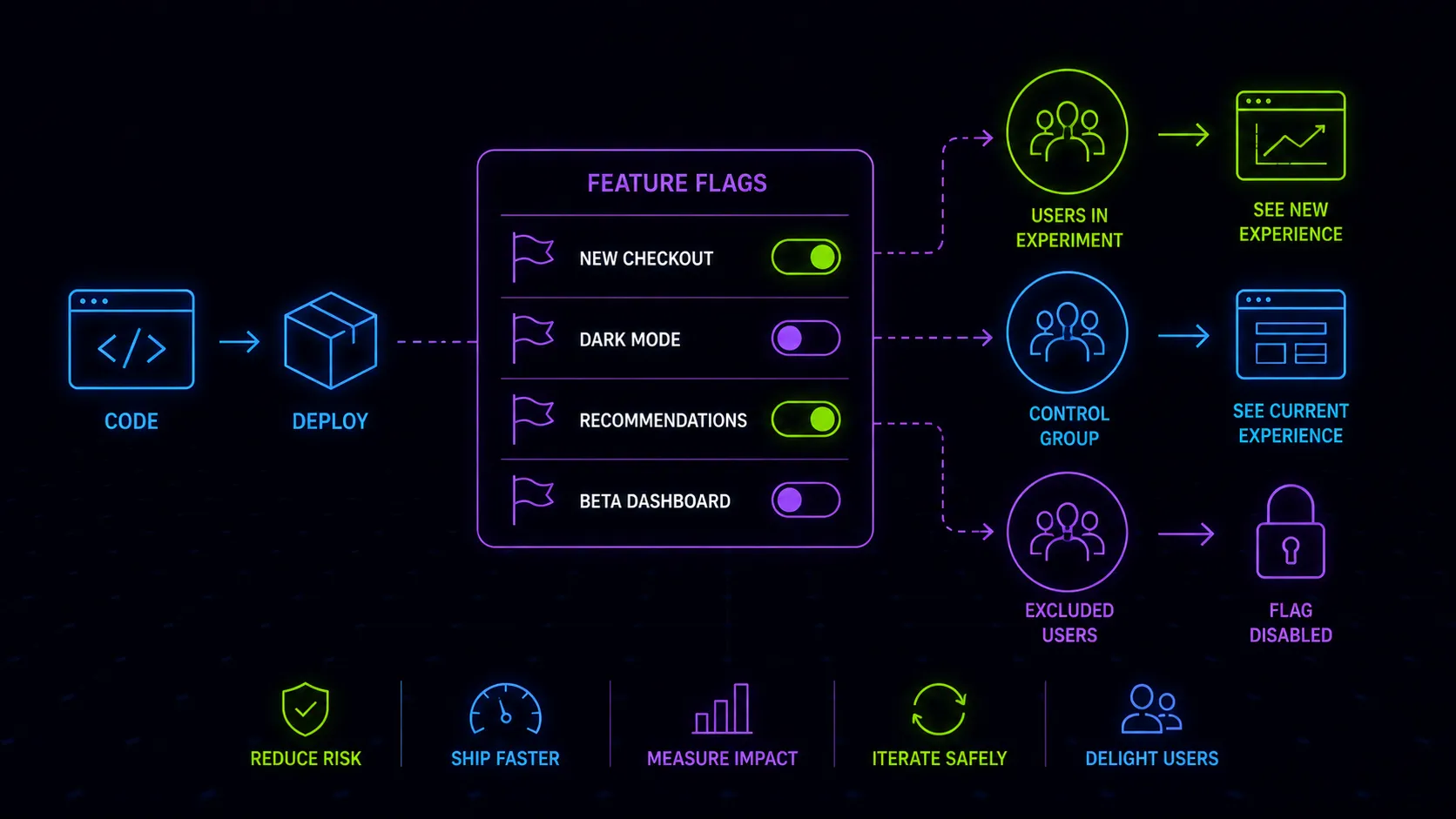
Feature flags are powerful for safe deployments and gradual rollouts. They're also a source of technical debt and bugs when mismanaged. How to get the benefits without the mess.

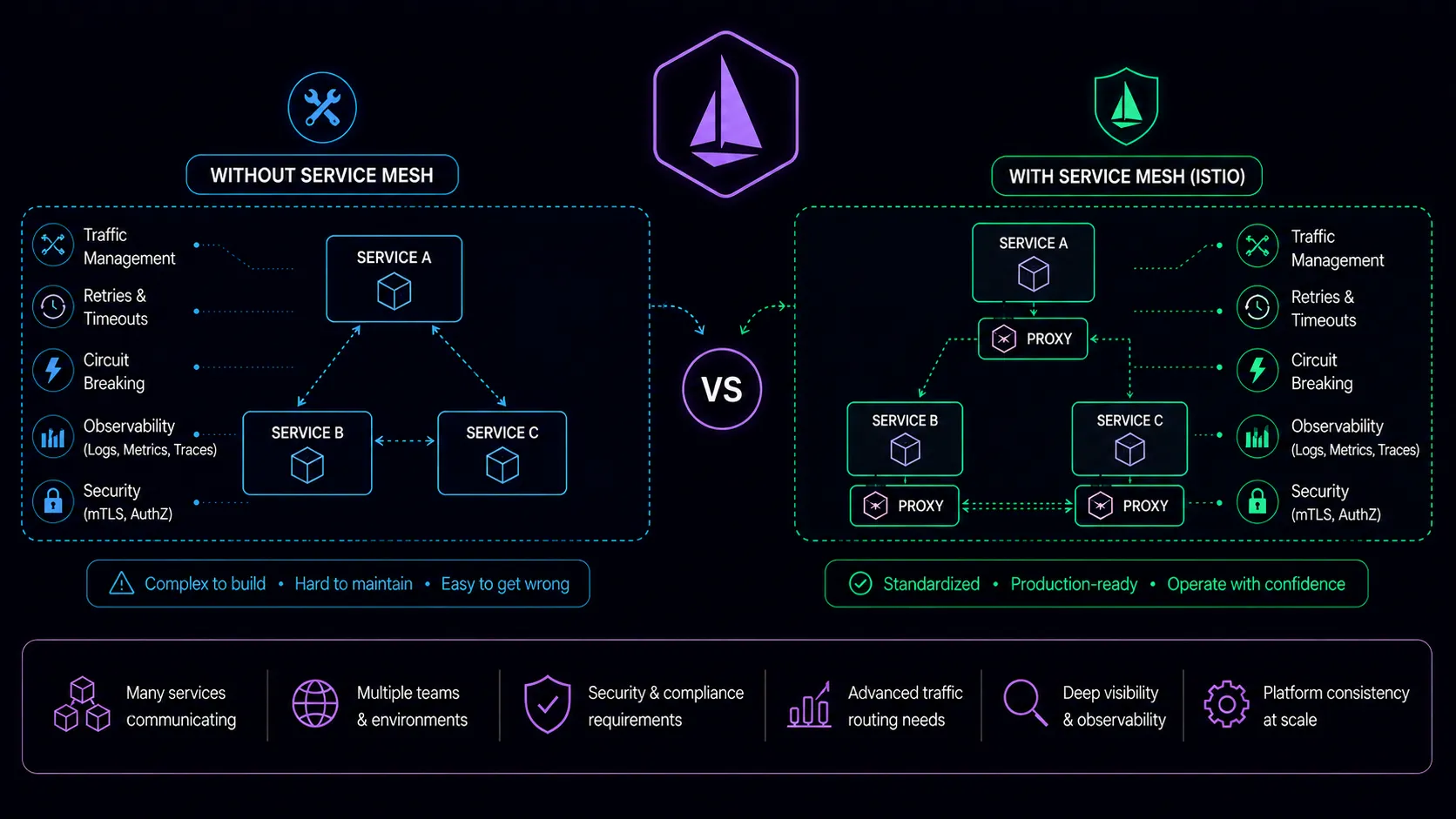
Service meshes promise observability, security, and traffic management. But they're also complex. Here's how to decide if you need one and whether Istio is the right choice.

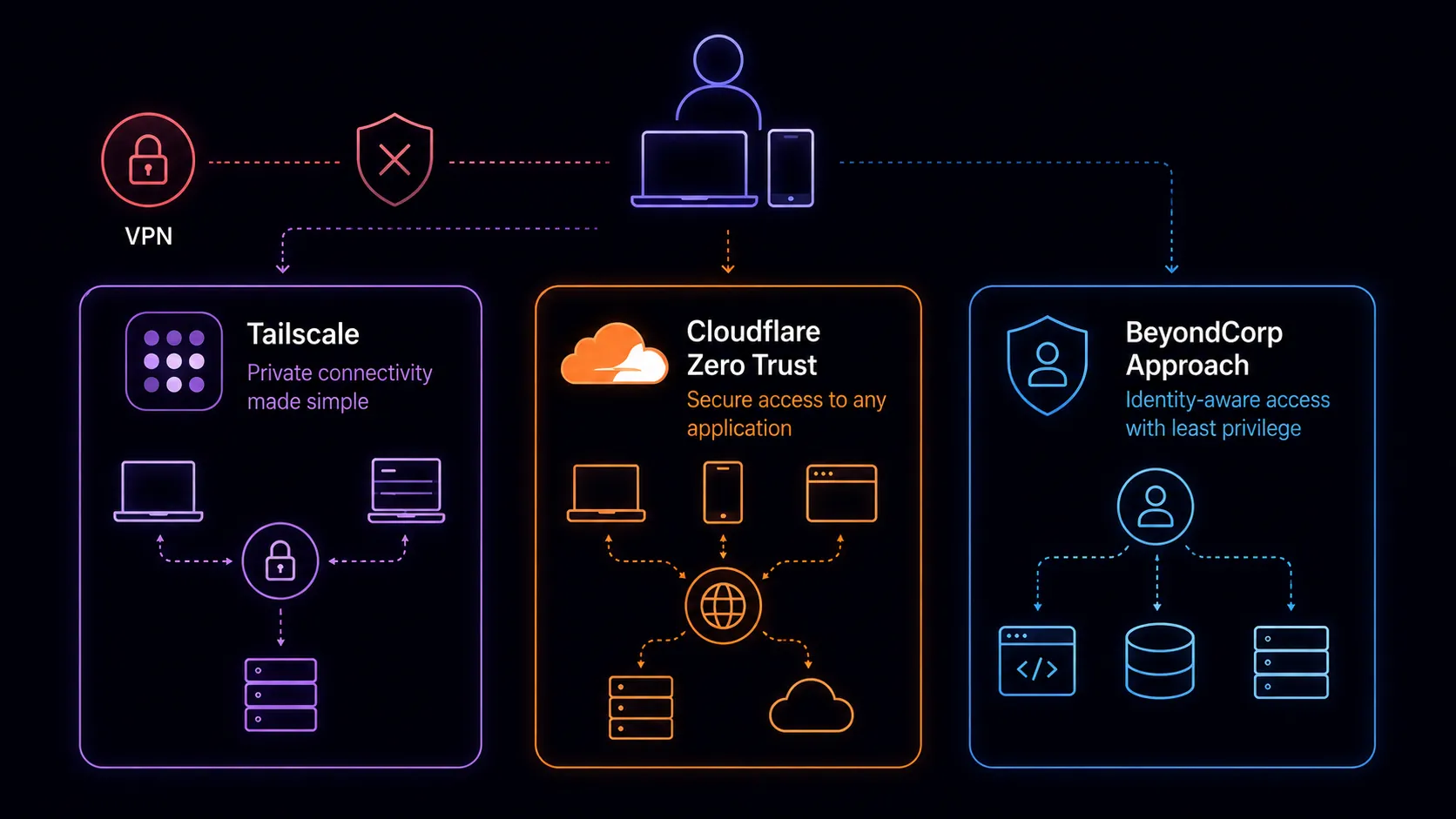
Modern alternatives to traditional VPNs. How Tailscale, Cloudflare Access, and zero-trust network access compare, and when you still need a classic VPN.

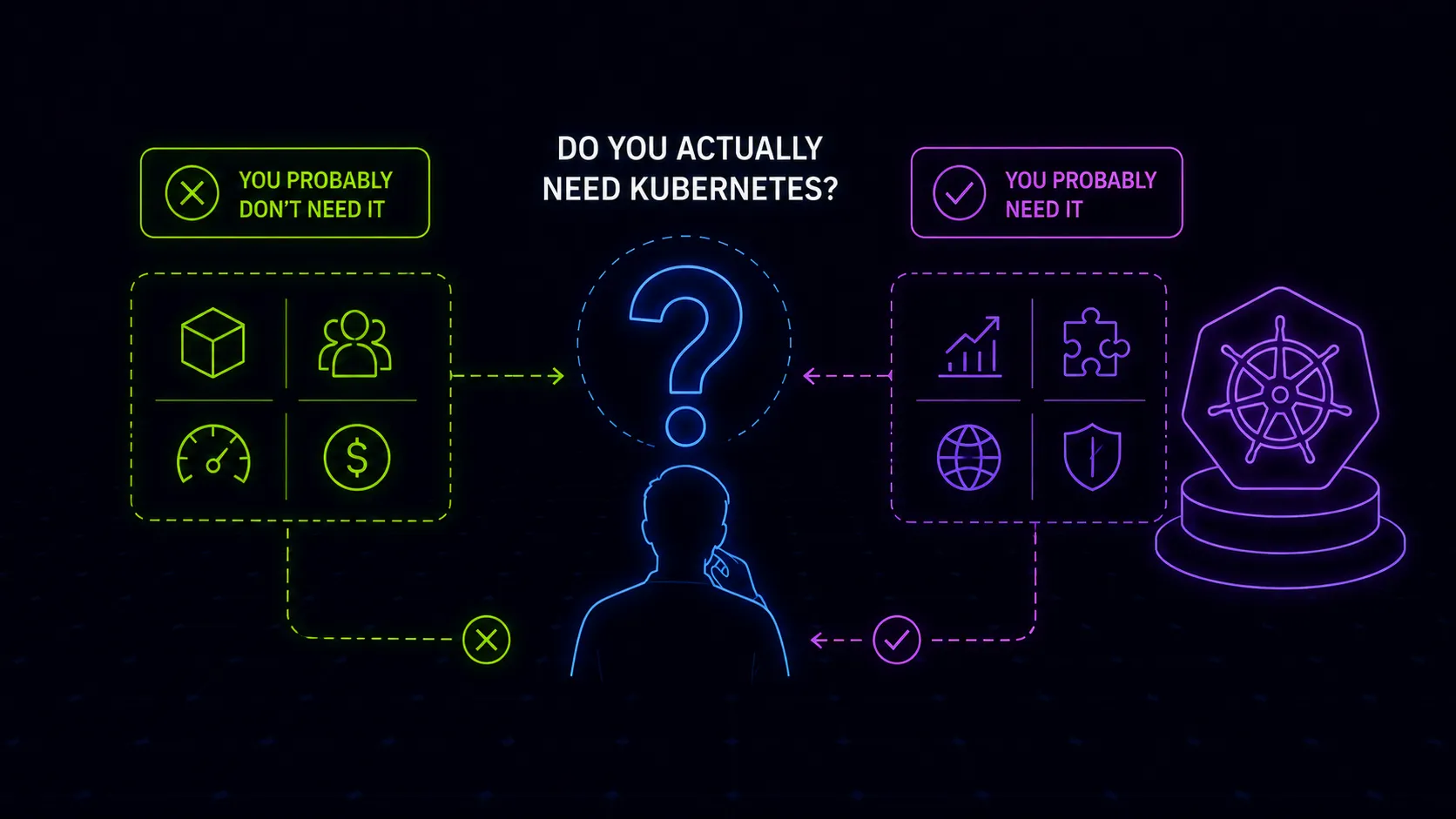
Kubernetes solves real problems at scale, but many teams adopt it prematurely. How to know if you need it, simpler alternatives, and what K8s adoption actually costs.

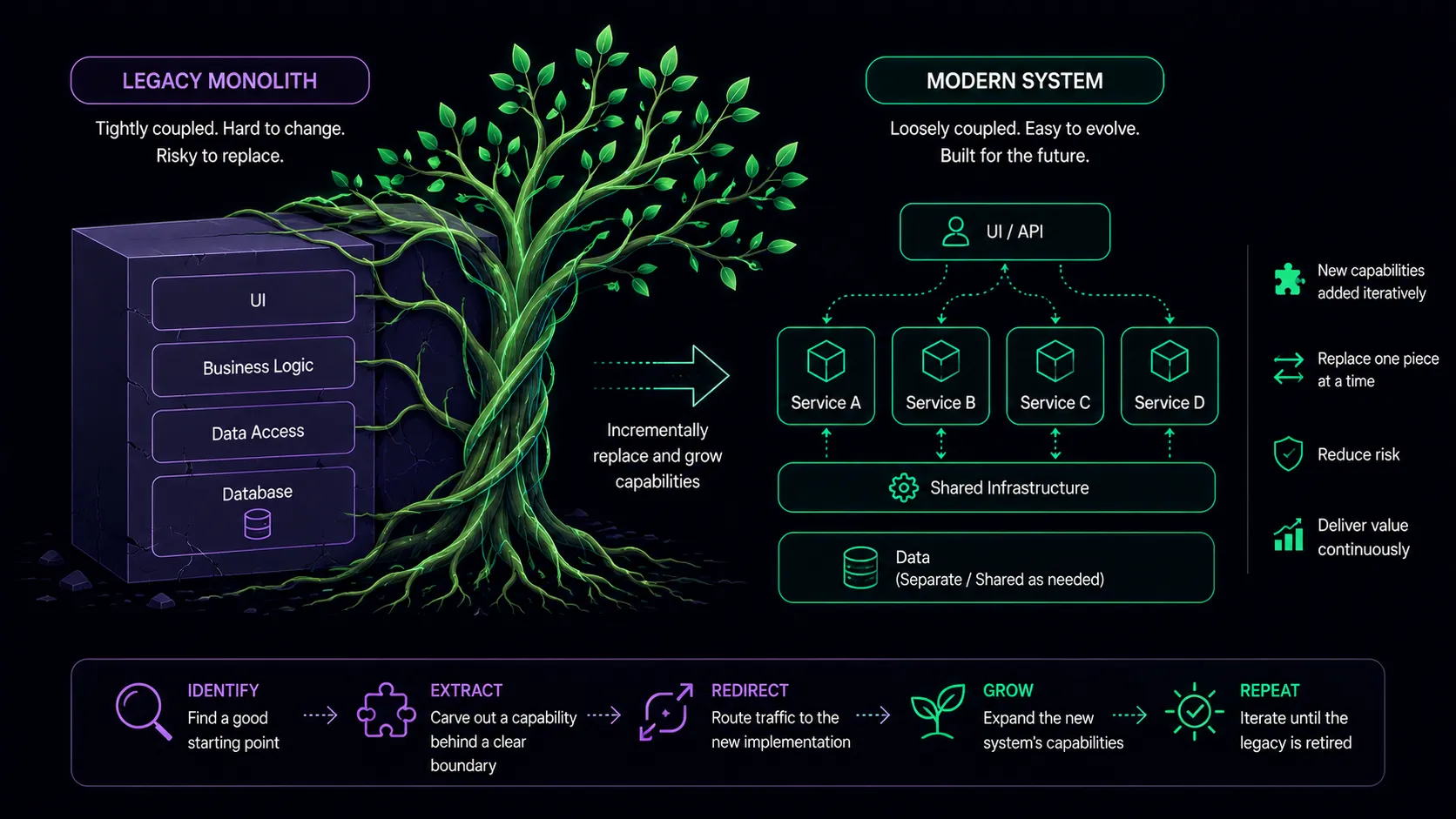
How to migrate away from legacy systems incrementally using the strangler fig pattern. Real strategies for routing traffic, managing data, and avoiding migration project death spirals.
Let's discuss how we can help you build reliable, scalable systems.