DevOps
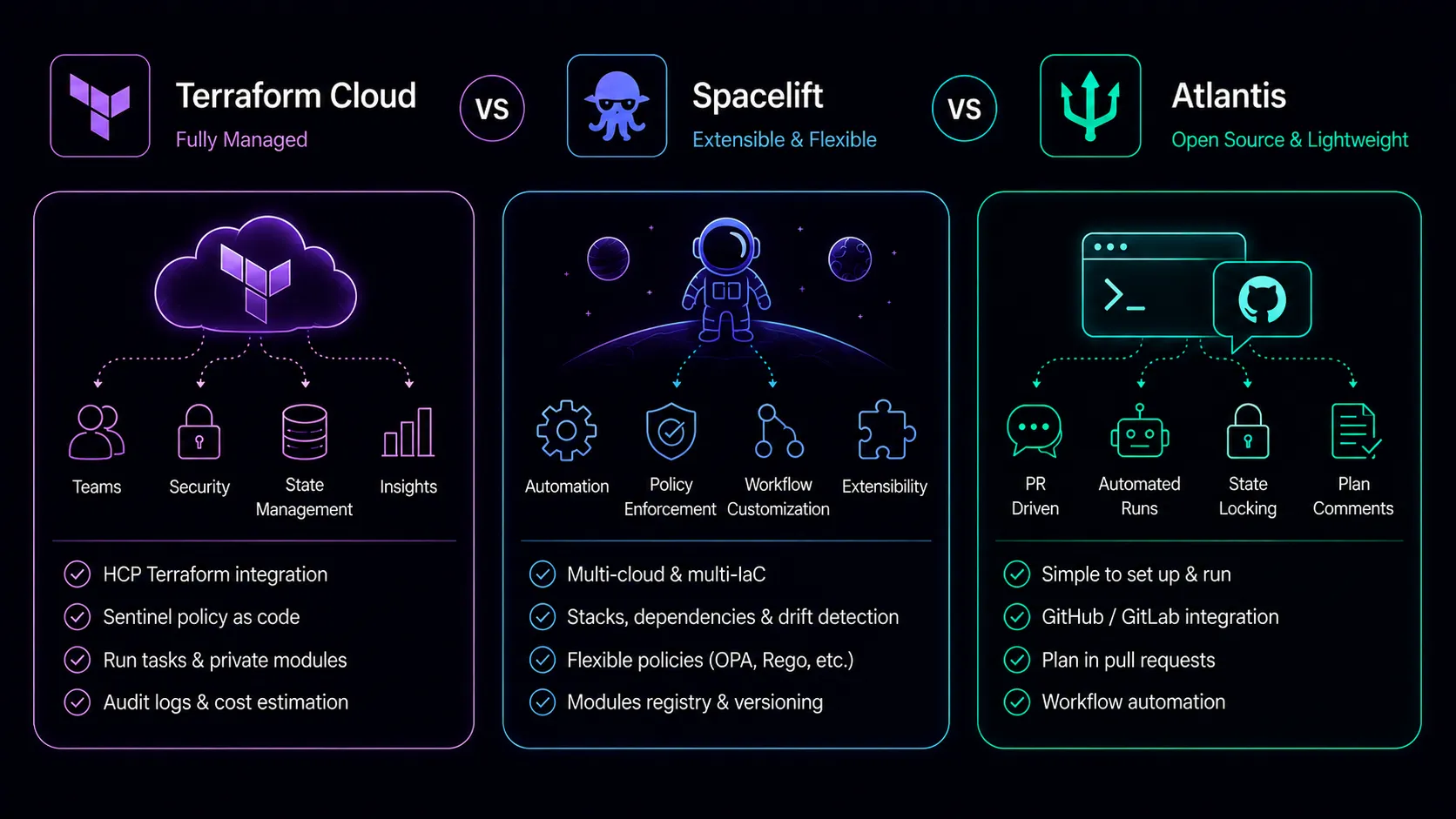
Terraform Cloud vs Spacelift vs Atlantis: Managing Terraform at Scale
Terraform Cloud is HashiCorp's platform. Spacelift adds policy and flexibility. Atlantis keeps it in your PRs. Here's how to choose your Terraform workflow.
9 min read
Practical perspectives on enterprise software development, infrastructure automation, and cloud engineering from our project experience.
Terraform Cloud is HashiCorp's platform. Spacelift adds policy and flexibility. Atlantis keeps it in your PRs. Here's how to choose your Terraform workflow.
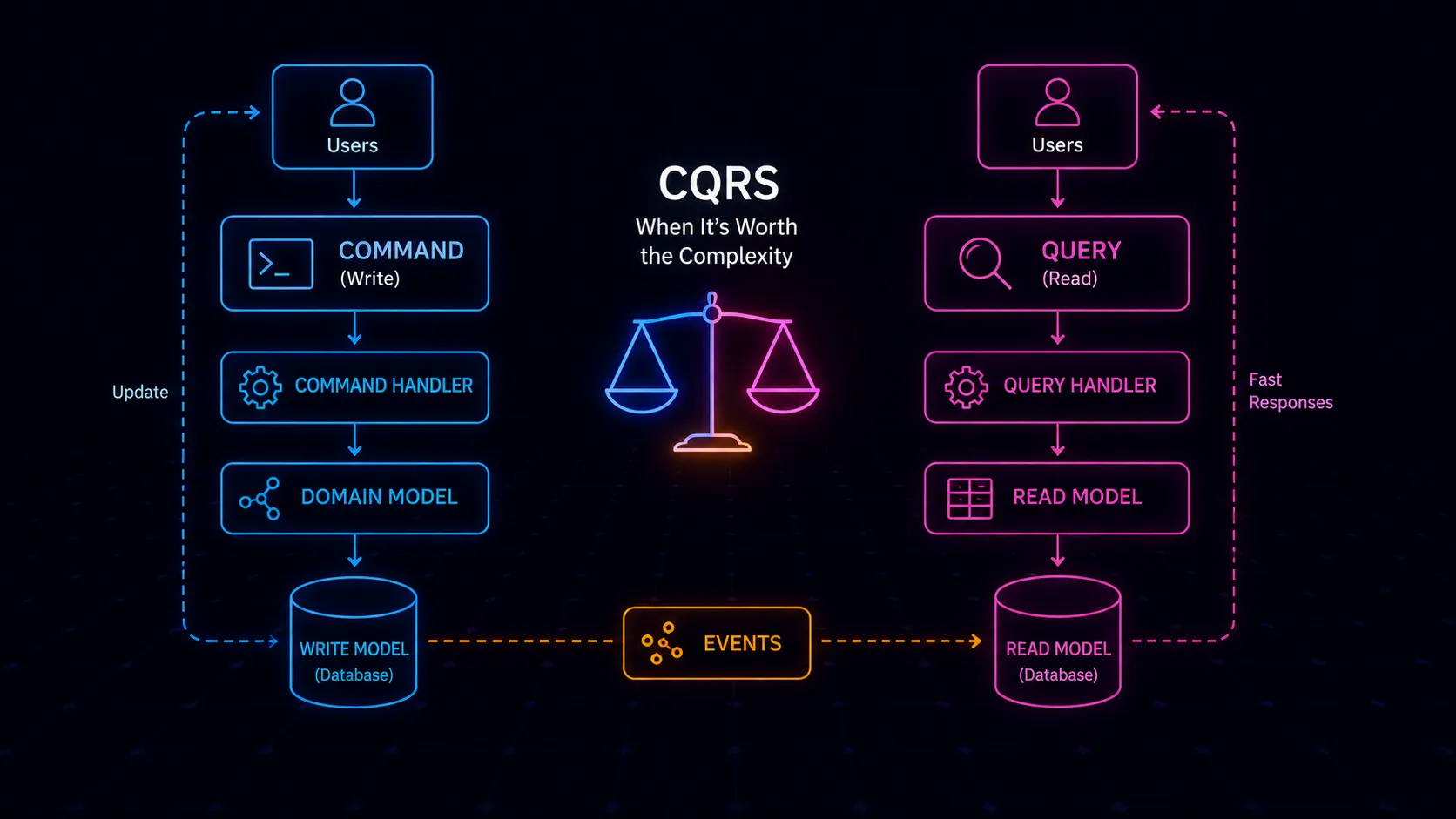
CQRS separates reads from writes. It solves real problems at scale but adds significant complexity. Here's when the trade-off is actually worth it.
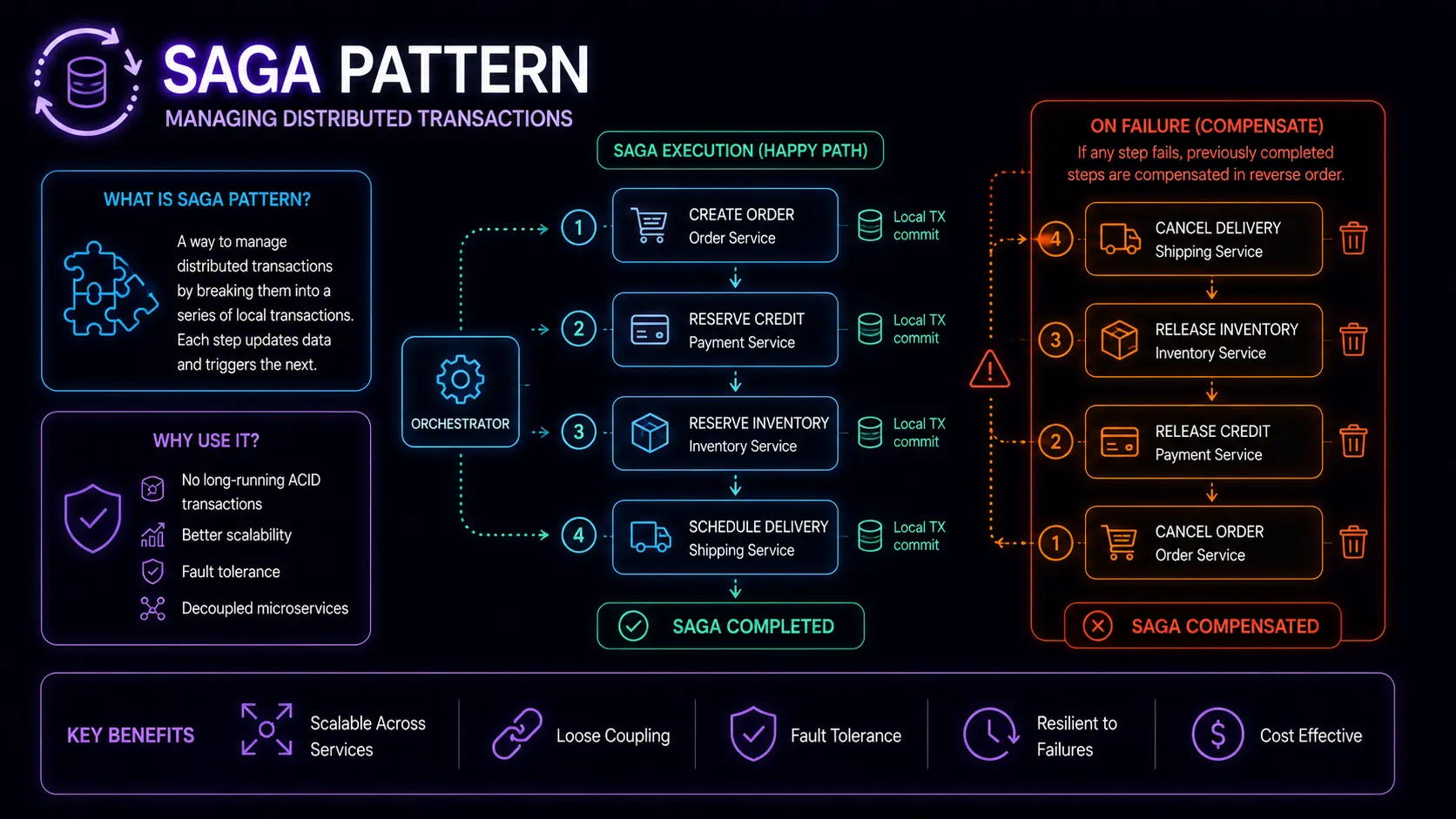
Distributed transactions across microservices are hard. The saga pattern breaks them into compensatable steps—here's how it works and when to use it.
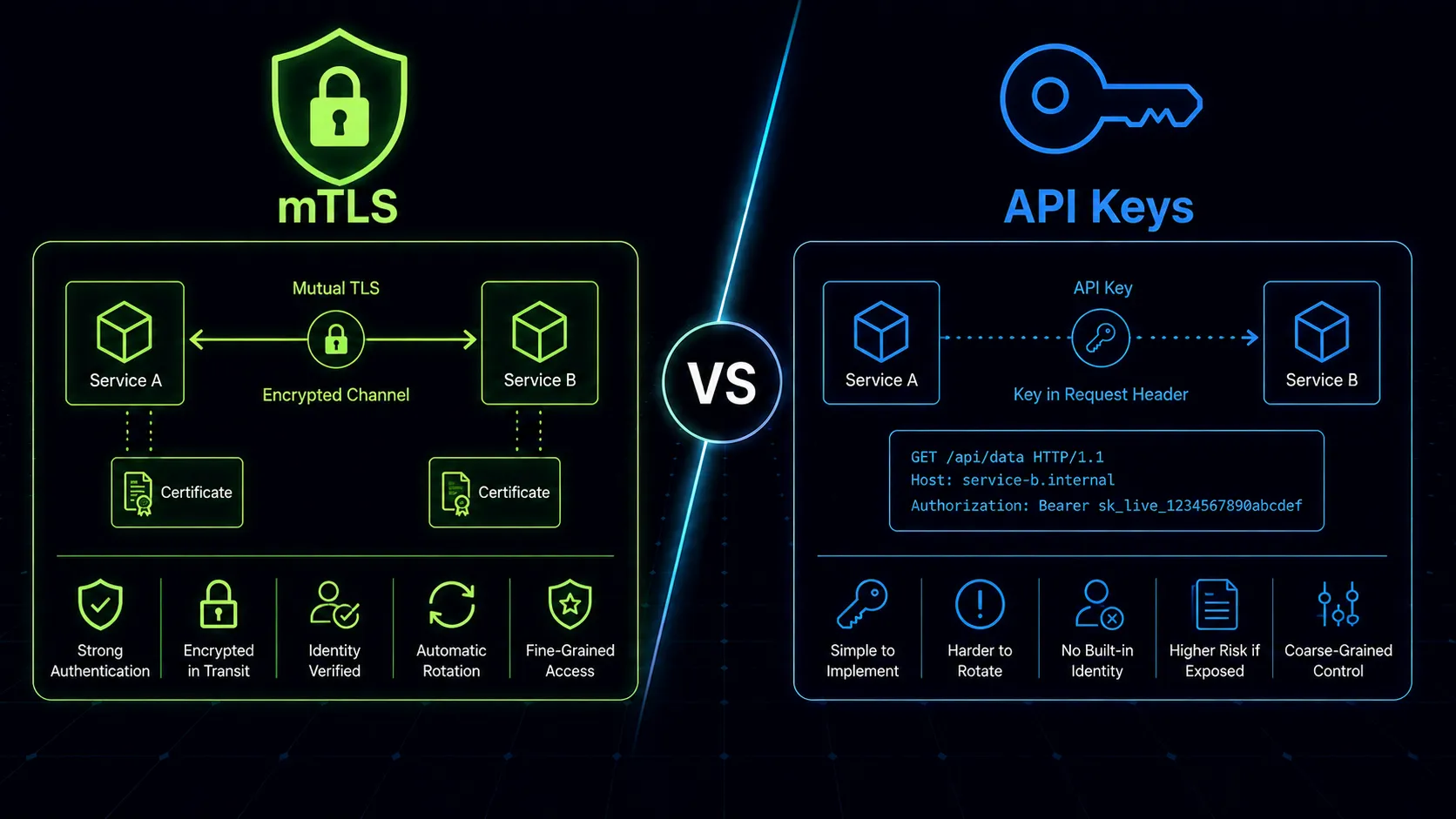
API keys are simple but limited. mTLS provides strong mutual authentication. Here's how to choose the right approach for internal service communication.
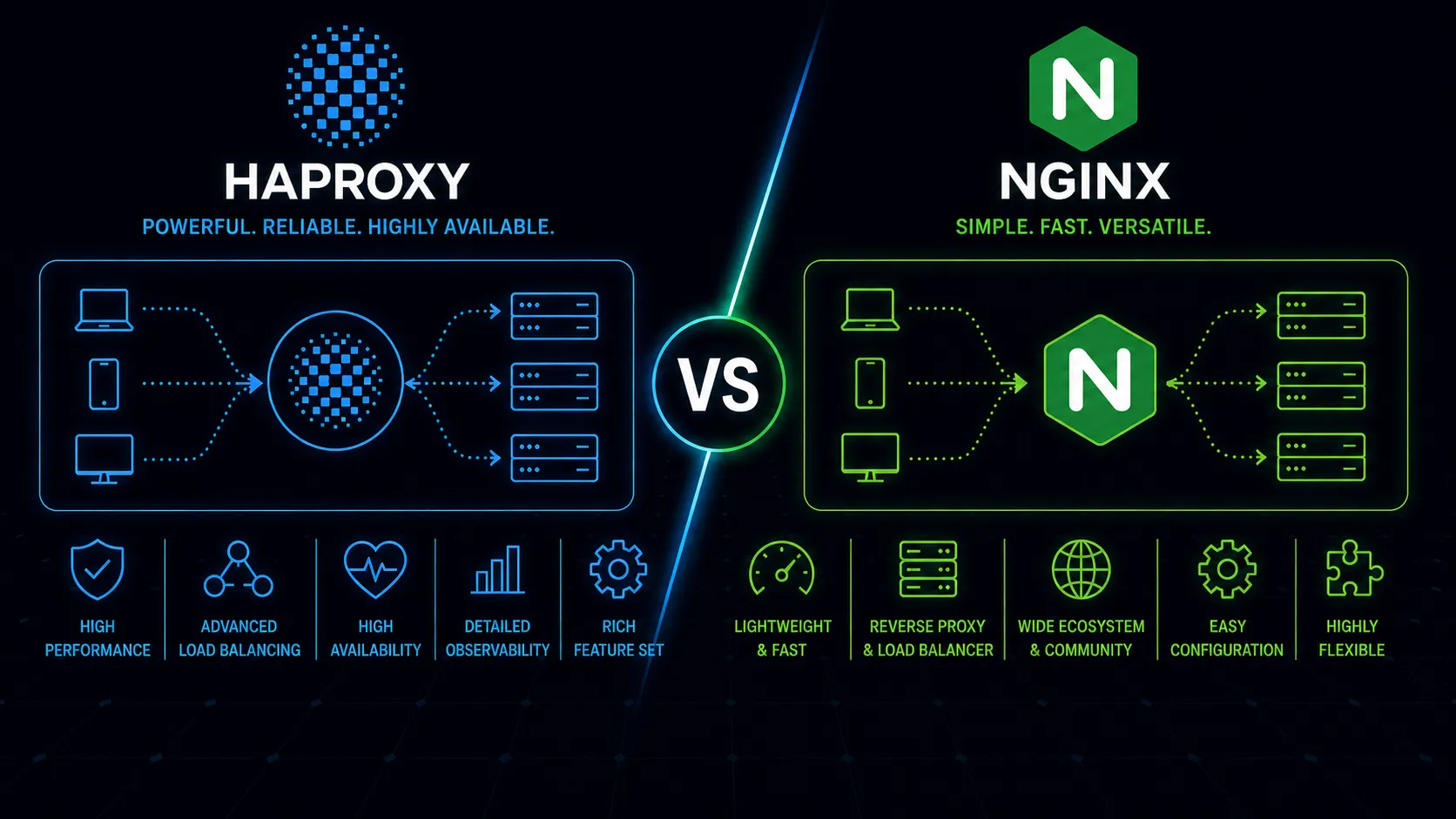
HAProxy is purpose-built for load balancing. Nginx is a web server that also load balances. Here's when the dedicated tool matters.

A practical, hype-free framework for deciding whether AI belongs in your business right now—what makes a good first use case, and the readiness gaps that quietly sink most projects.
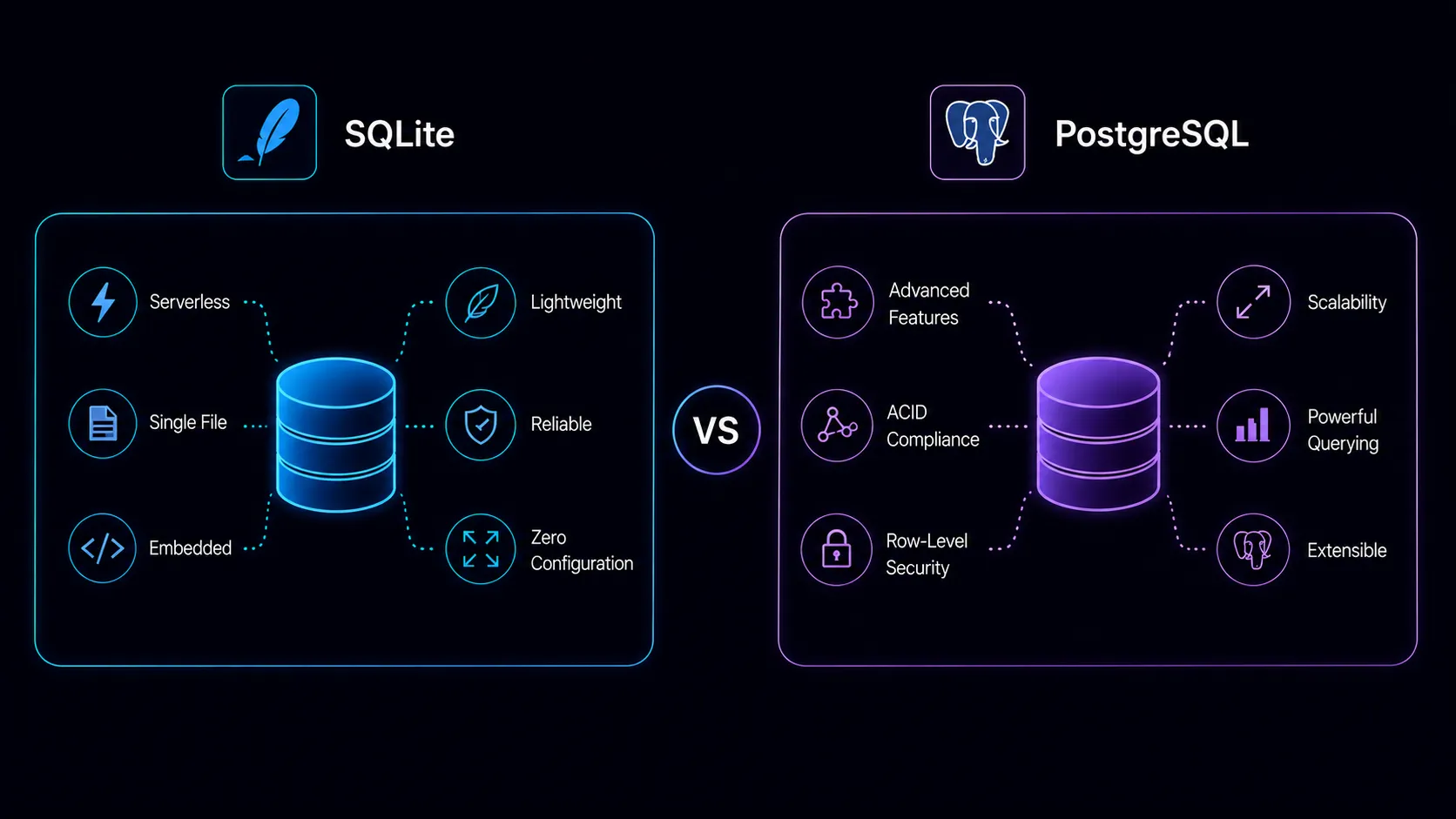
SQLite is a file. PostgreSQL is a server. That difference drives everything—here's when SQLite is genuinely the right choice and when you need PostgreSQL.
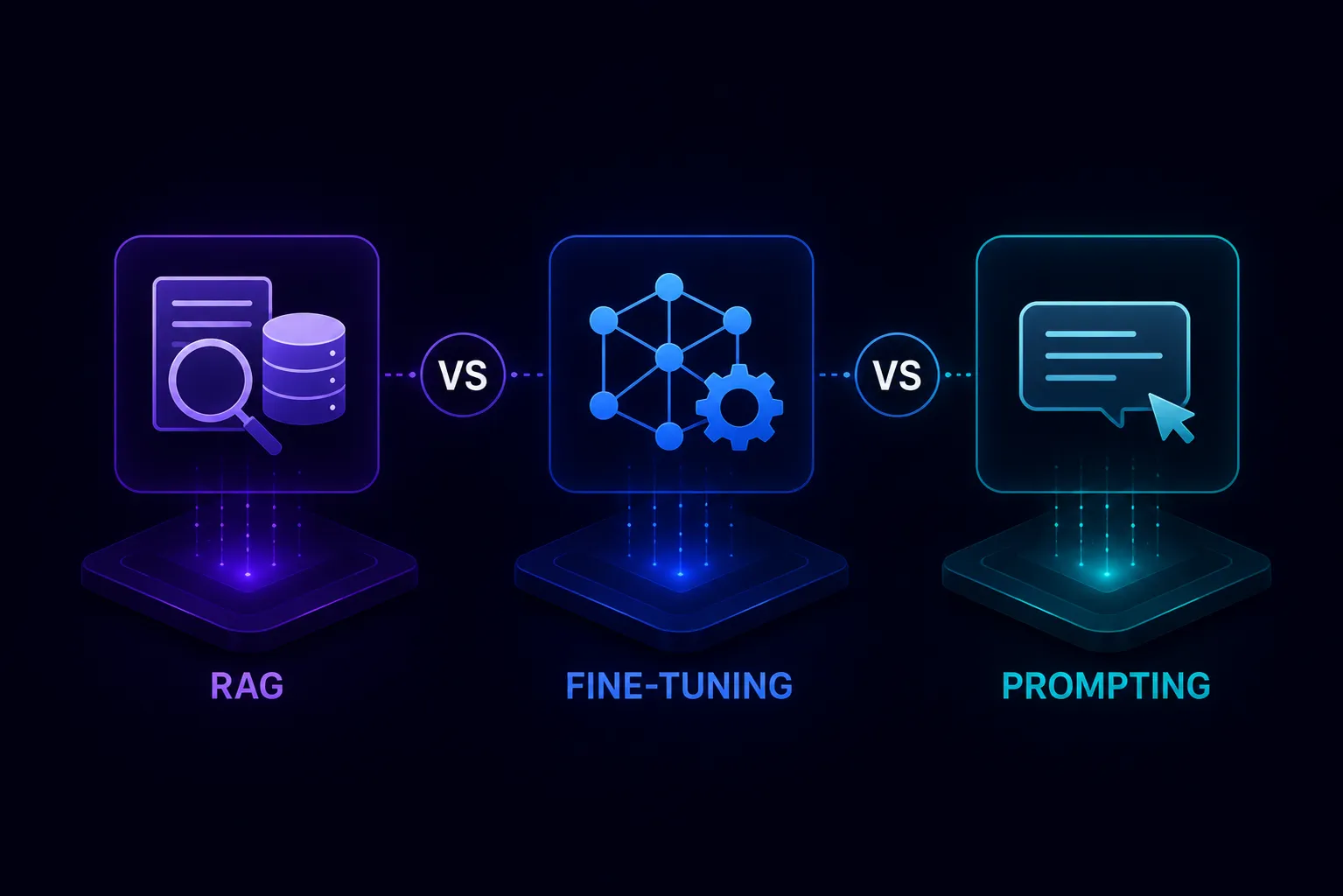
The three main ways to adapt an LLM to your business—prompting, retrieval-augmented generation, and fine-tuning—compared on cost, freshness, accuracy, and when each one is actually the right call.
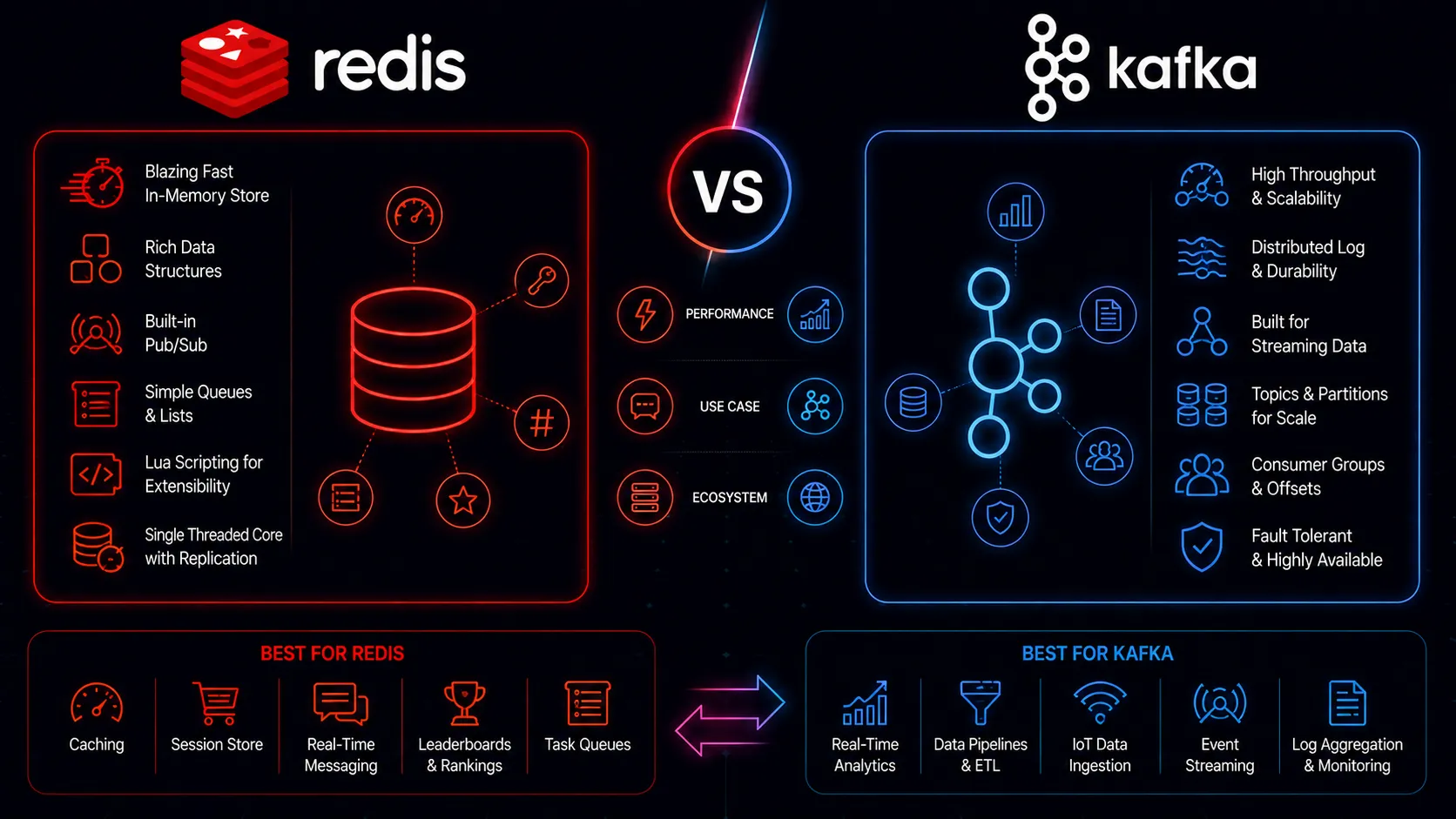
Redis is fast for ephemeral messaging. Kafka is durable for event streaming. They overlap in real-time use cases—here's when each fits.
Let's discuss how we can help you build reliable, scalable systems.